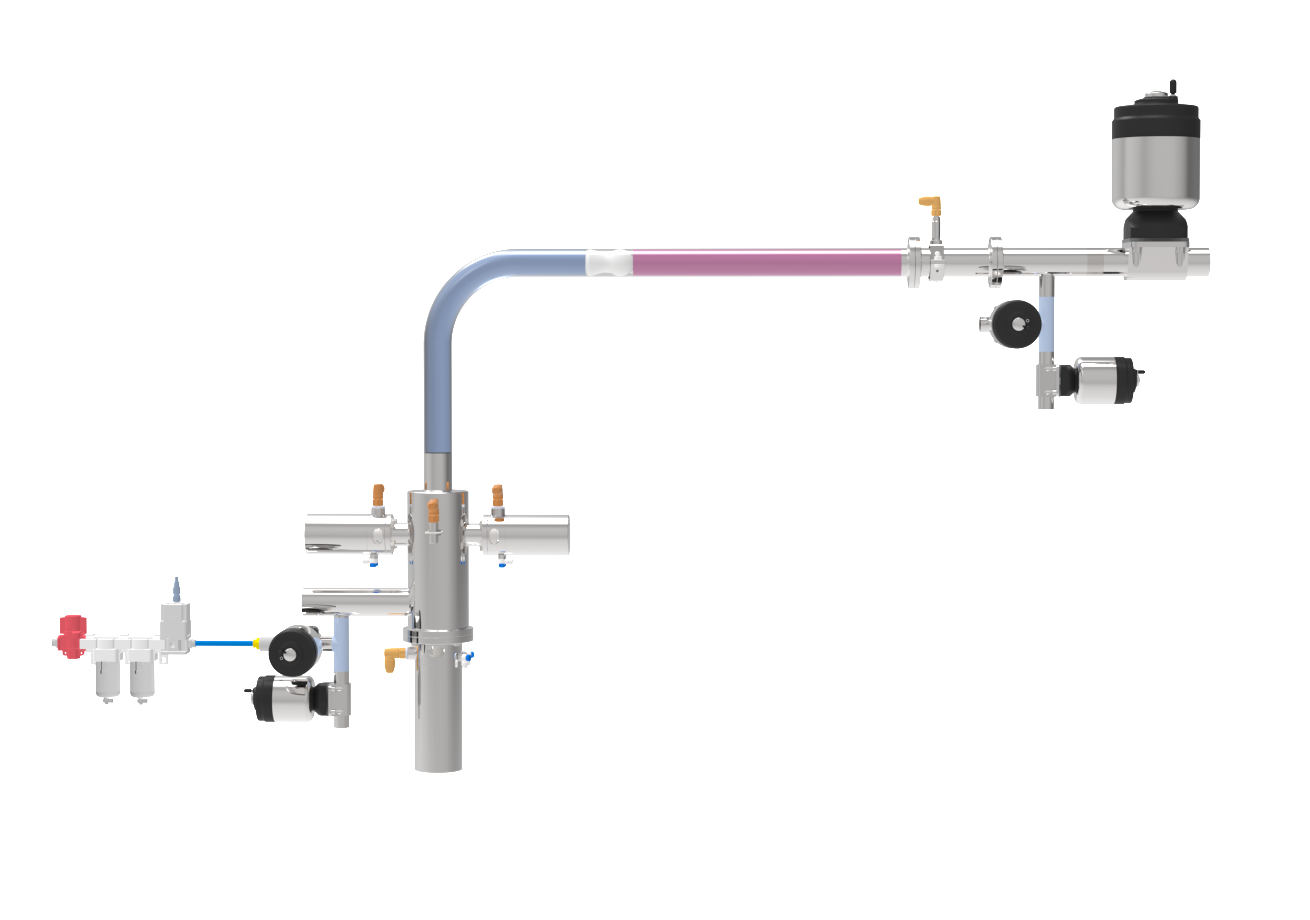
Growing widespread accepted washing area, pigging systems provide a considerable gain in administering washing compounds. This progressive approach minimizes waste of high-strength powder by utilizing a pig to force it through the pipe – effectively emptying the tank. Comprehending the concepts of these mechanisms can yield lower costs and a enhanced green process.
Pipeline Pigs Transform Washing Agent Management
The common method of moving laundry detergent presents serious challenges, often leading to leftovers and underperformance. However, a breakthrough approach – pigging systems – is thoroughly altering how businesses handle these significant materials. These systems utilize a supple "pig," a dense gadget, to expel the detergent through a pipe, efficiently eliminating interstices and ensuring nearly whole product reclamation. Benefits include decreased laundry detergent pigging system waste, amplified output, and a reduced environmental footprint.
- Mitigates detergent residue
- Elevates production competence
- Advocates responsible practices
Boosting Laundry Compound Circulation Using Pigging
Improving performance in clothes laundering facilities often involves addressing difficulties related to detergent delivery. Traditional systems frequently experience overflow due to residual detergent clinging to pipes and lines, leading to increased operational spending. Pigging equipment, originally utilized in the hydrocarbon industry, provides a compelling solution to this dilemma. By sending a “pig”—a specialized tool—through the detergent ducts, these systems effectively extract remaining product, maximizing efficiency and minimizing redundant material. This ultimately results in a more sustainable and financially sound laundry process for corporations.
Advantages of Pushing Systems for Cleaning Product Development
Implementing pigging technology offers remarkable advantages for laundry cleaner manufacturing facilities. These systems productively remove product deposits from tubes, minimizing scrap and minimizing downtime during upkeep. Consequently, all-around productivity is upgraded, culminating in minimized charges and a more sustainable method. Furthermore, cleaning pigs helps to upholding reliability by preventing infusion between cycles and ensuring a hygienic final output.
Waste Reduction and Effectiveness Boost: Washing Powder Pigging
Laundry soap product manufacturing can produce significant leftovers material, but a fresh process called “pigging” offers a resolution to minimize this challenge. This method involves using a supple tool, the "pig," to transfer remaining solution from the production lines, often rejected as unusable. By retrieving this previously thrown away washing liquid, companies can substantially decrease expenses and boost overall business output. The environmental profits are also meaningful, as it decreases the extent of leftover sent to rubbish tips.
- Cuts down on Material Costs
- Improves Operational Efficiency
- Diminishes Environmental Footprint
Adopting Pigging Technology for Fabric Soap Processes
To enhance yield and lessen downtime in your laundry washing production plant, consider establishing a pushing system. This advanced approach competently gets rid of unwanted substance and deposits from conduits, consequently improving functionality and cutting excess. A well-designed slugging process can also prolong the continued use of your channels structure, causing considerable cost profits and a more renewable activity.
Planet-Friendly Slugging in Detergent Operations
The practice of laundry cleaning agent reclaiming presents a compelling technique towards a heightened green future. Typically, leftover wash product remains in containers become junk material, supplying to environmental weight. However, this new way involves retrieving these leftover sizes and recycling them into advantageous commodities, like growth additive or production inputs.
- Cuts landfill bulk
- Minimizes resource drain
- Offers a closed-loop monetary system
Pigging System Design for Laundry Detergent Applications
The formulation of a removal unit for textile soap operations presents exceptional difficulties. Attentive scrutiny must be given to the consistency of the solution, which can differ considerably depending on composition and degree. Furthermore, the coarseness of certain constituents necessitates the adoption of resistant displacer element and appropriate conduit formation. Productive pigging necessitates a definite weight design to ensure thorough extraction of extra formulation and prevent hindrances or harm to the duct organization.
Diagnosing and Servicing Washing Product Pipeline Technology
Regular preventative repair and timely failure analysis are indispensable for maintaining the performance of laundry detergent pigging setups. Frequent issues encompass blockages within the conduit, detergent buildup impacting flow, and sensor errors. Periodic inspections, comprising manual tests of hoses, adapters, and the pig itself, are essential. Fixing these problems expeditiously – often through washing the system or exchanging worn elements – can avert costly interruptions and prolong the durability of the entire installation.