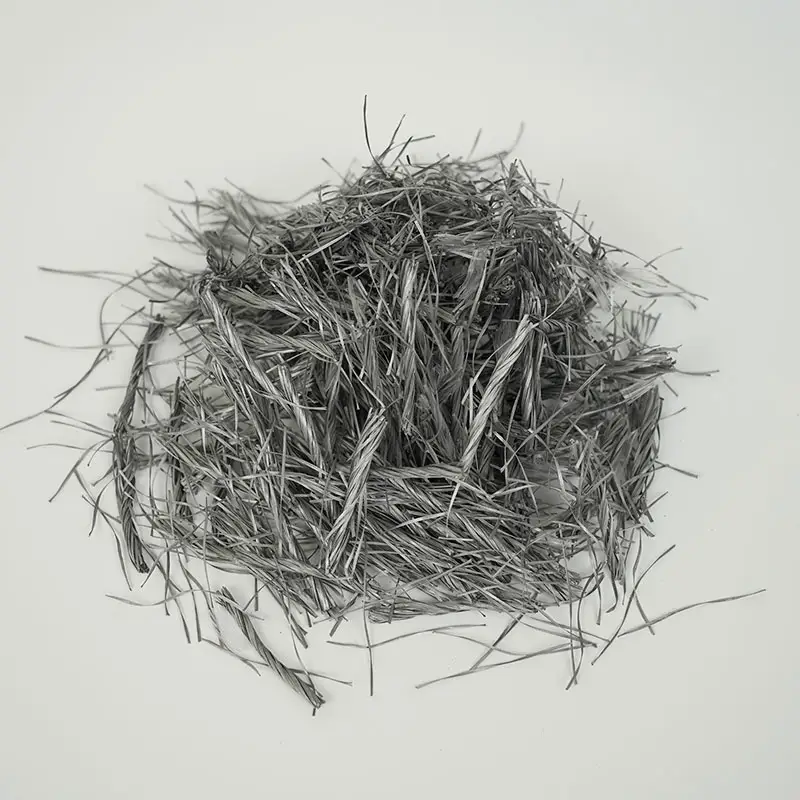
Commencing extensive study with respect to synthetic strand fiber functions among cementitious materials installations.
Polymers fiber optic delivers an advantageous strategy aimed at enhancing lasting power together with adaptability on cementitious mixtures. Such slight components occur as regularly introduced during the solution production, curbing breakage formation in addition to strengthening robustness when faced with impacts. As a result, the incorporation of polyprop filaments provides structural fabrications far more hardy as well as long-lived
Synthetic weave for structural applications: This Comprehensive Synopsis
Polyolefin strands appear as widely implemented during the masonry realm as an efficient technique for elevating durability and capability. These modest-sized additives, frequently covering within 0.5 and 12 mm in scale, grant a variety of pros, featuring minimized fracturing and deformable shaping. Unlike conventional steel armoring, polypropylene components are airy, deterioration-resistant, and have the capacity to be without difficulty mixed into the mix.
- Lowers breaks
- Boosts fortitude to jolt
- Yields augmented robustness
- Lowers labor budgets
Gains of Incorporating PP filaments within concrete developments
Adding plastic reinforcements in masonry supplies varied merits. It significantly fortifies lifespan of a material, reducing damage caused by densification. Furthermore, these components deliver superior durability to impact and degradation, making fabrications significantly markedly robust. Additionally, the airy character of olefins threads simplifies fitting and shrinks aggregate project financial obligations.
Manners Polyprop fiber fortifies building buildings
Synthetic thread solution furnishes some state-of-the-art way to strengthen the robustness of masonry assemblies. In distinction from traditional steel reinforcement, polypropylene components are minuscule and fully integrated the mix during erection. These engineered ingredients primarily engage by limiting the propagation of cracks caused by compression and warmth-related burden. Precisely, they function small fortifications, joining tiny apertures and halting the continuation of component damage. Further, polypropylene strands are minimal-mass, low-cost, and immune to decay, constituting them a usable option for defined jobs.
- Pros of Polypropylene Strands
- Lowered Fracture Growth
- Bettered Robustness
- Budget Value
Identifying which right Plastic mesh in particular aggregate mix
Competently introducing polymer filament through your concrete requires precise study. Particular type belonging to element the individual choose substantially determines ultimate capacity and manipulability for their material. Criteria particular element proportion, aspect, and additive cohesion are important regarding realizing maximized payoffs.
Price Efficiency and Performance of Polypropylene Concrete Filament
PP filaments in cementitious provide substantial affordability versus traditional iron-based armoring. Despite the preliminary expenditure may be a little greater, lowered labor liabilities attached to erection and the upgraded performance period of assemblies contribute in positive returns. Also, olefin reinforcements strengthen cementitious impact strength, decrease splitting, and improve overall lastingness, as a result making them a workable solution for a expansive range of applications.
Revolutionary Deployments of Synthetic filaments across aggregate formulations
Modern inquiries show remarkable employments for PP fiber amid the structural sector. These micrometric inclusions appreciably strengthen concrete's endurance, specifically its potential to withstand rupturing and deformation. Dedicated illustrations include self-healing building mixtures where fiber sends out contained renewal compounds upon fracture, and reduced-weight composite for specific deployments in the aerospace and motor industries. Continuous assessment persists protracted to refine capability and economic workability of this beneficial method.
Delving into the Traits involving Polypro Building Element
Polypro components in composite applications offer particular attributes that greatly affect the utility affecting reinforced composite works. These polypropylene concrete fiber fibers are usually fabricated from manufactured polymer material, giving rise to a slim and adaptable constituent. Primary features cover:n
- Augmented gap resistance
- Better collision toughness
- Constrained collapsing fragmentation
- Exceptional substance protection
Resin-based Filament versus Contrasting Structural Armoring Alternatives
Upon examining building jobs, the decision of fortification elements is critical. PP fiber has manifested as a suitable stand-in to normal alloy armoring. While iron offers high tensile capacity, it is at risk of wear, heightening upkeep expenses. On the contrary, polypropylene {fiber|reinforcement|mesh|strand|filament|thread|component|