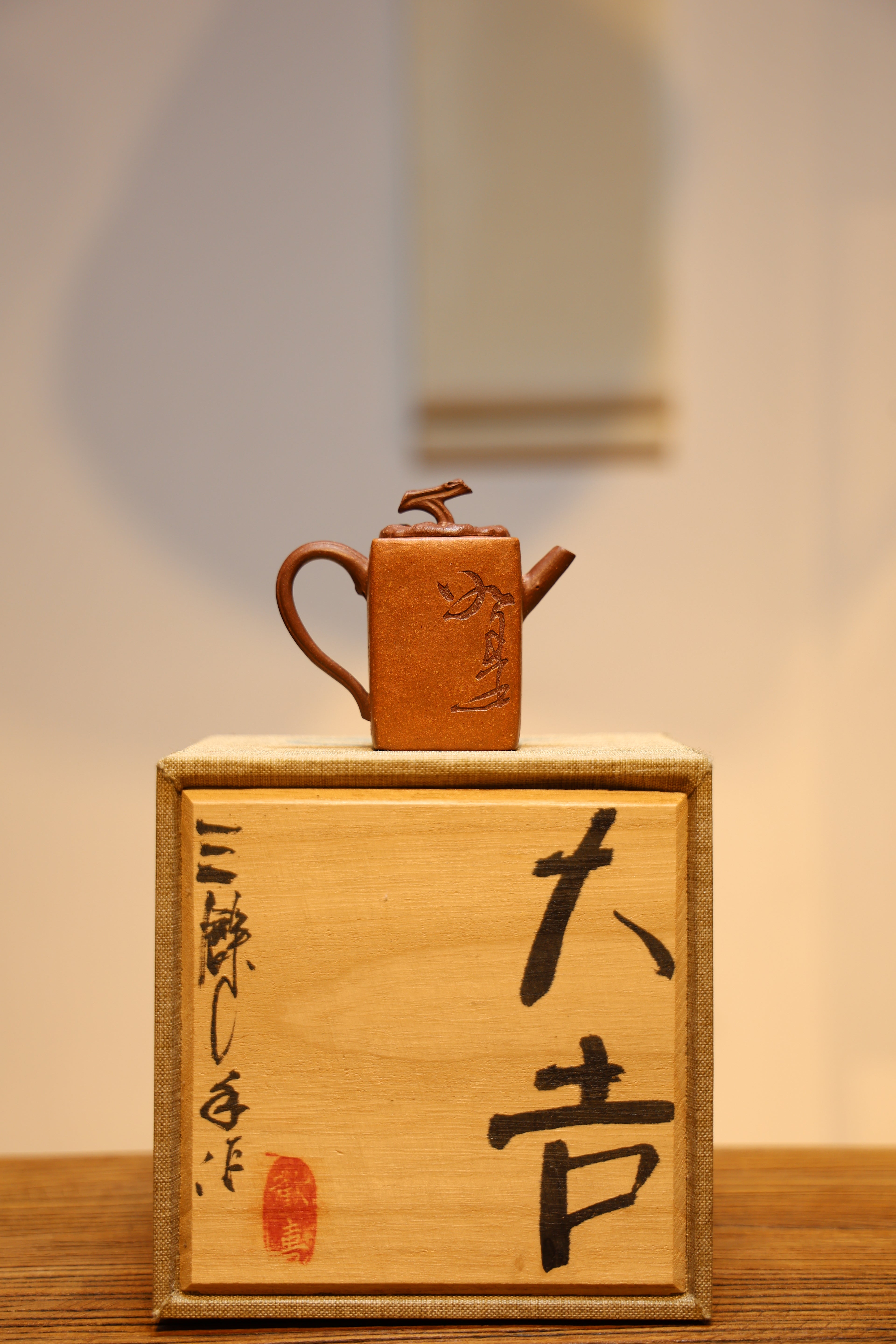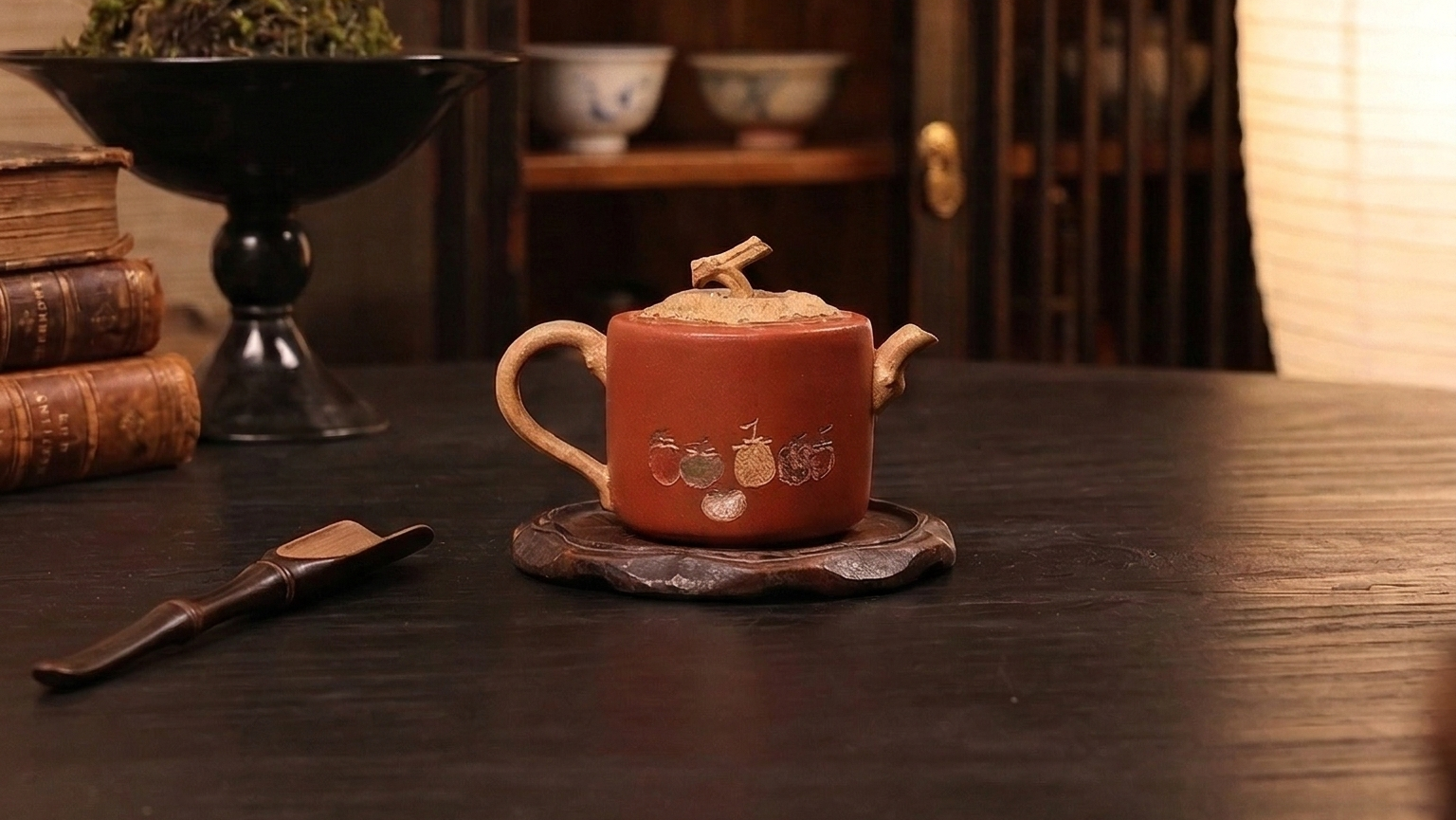
In the realm of timeless legacies,
Across periods, aficionados have been enthralled by the rare charm of Yixing Zisha carafes. Originating from the region of Yixing in the eastern province, these implements are renowned for their prominent beauty, singular clay, and inherent ability to improve the taste of the infusion. The earth's distinctive maroon hue, combined with the expert construction of native craftsmen, creates pieces that are simultaneously functional designs and cherished holdings. Purchasing a Zisha teapot is more than just one purchase; it's accepting a rich traditional heritage.
Exploring Yixing Teapots: Origins, Varieties, and Value
This Yixing teapots are a notable chronicle deeply intertwined with Chinese culture. Rooted in the Yixing region of Jiangsu province, these clay vessels contain a heritage going back to the Ming Dynasty. Original examples were functional, but during centuries, Yixing teapot making evolved into an esteemed art form. The clay itself, known for its unique feature and ability to modify the flavor of the tea, endures a defining factor. Yixing teapots arrive in various forms, broadly categorized by shape: Typical such as Zhuni (purple clay) and Bisheng, as well as exclusive designs. The cost of a Yixing teapot depends on several factors, including Zisha Teapot the potter’s reputation, the age of the piece, the rarity of the clay, and its aesthetic grace.- Chronology: Founding era
- Material: Several sorts
- Cost Determinants: Craftsman's renown
Mastering Zisha: Tactics and Builders
Distinct formation of a authentic Zisha teapot is a detailed process, requiring lengthy durations of skill. Proficient artisans meticulously extract the purest Zisha clay, a exceptional earth found only in specific regions of China. Customary techniques, often passed down through families, involve accurate shaping, nuanced carving, and deliberate firing in ancient ovens. The end teapot isn't merely a receptacle; it's a testament to design vision and the meaningful connection between the potter and their ancestry. Each piece showcases the distinctive touch of the maker, resulting in a truly matchless work of art.
Historical Artefacts: Uncovering the Comprehensive Legacies of Yixing Domain
Renowned Yixing, set in Jiangsu the territory, is broadly renowned for its exceptional clay pots – a tangible representation of centuries of Chinese craftsmanship. These aren't merely vessels for brewing tea; they are intricate works of mastery, often reflecting traditional ideals. The unique purple clay, known as Zisha, possesses unique qualities: the matter dense, permeable, and imparts a subtle quality to the tea.
- Plentiful clans have honed the techniques of Yixing urn making, passing down exclusive methods through families.
- Devotees prize these pieces for their charm and scarcity.
- Several urn tells a story, connecting the enjoyer to a rich background.
Investing in Yixing Zisha: Important Factors
In the process of assessing procuring Yixing Zisha teapots, various considerations call for careful inspection. In the first place, the earth's tone is vital; authentic Zisha ordinarily exhibits a identifiable maroonish gradient. As well, examine the craftsmanship; precise features and a elegant overlay demonstrate expert fabrication. To finish, examine the craftsman's credentials; well-known names obtain superior rates and often deliver a valuable reward.
Artisan Techniques for Brewing Tea in Zisha Pots
Crafting flavorful tea with a Zisha pot is more greater than a simple process; it's an technique. Zisha clay, recognized for its unique chemical composition, imparts a soft character to the composed tea that’s often gone with other containers. The right water thermal condition is fundamental; typically, reduced than what's used for black tea, to keep the tea's scent and taste. Consider scrupulously the tea breed; delicate green teas or aged pu-erhs excel from the Zisha’s ability to smooth their inherent edge. It’s imperative to prepare the teapot in advance of brewing, and to stop over-steeping. Mastering this technique leads to a rightfully exceptional tea event.
- Grasping Zisha Clay
- Water Temperature & Tea Classification
- Necessity of Preheating
Safeguarding Your The Kettle
To ensure prolong the longevity of your esteemed Yixing vessel, ongoing servicing is vitally required. Avoid using soap; instead, tenderly clean it with pleasantly heated moisture. Steer clear of sharp shifts; refrain set the ceramic pot directly onto a scorching support. Periodically, prepare the teapot by soaking it with high-quality fermented tea, as this supports to develop its essence and protects the singular qualities of the earth.
With respect to Material to Chalice: The Process of a Famous Pot
Such creation of a Zisha teapot is a notable procedure, a indication to both the land’s bounty and the finesse of the craftsperson. It originates with the exact extraction of the special clay from the burgundy Zisha mines near Yixing. This untreated material, known for its magnificent qualities, is then deliberately distilled and prepared for the original forming. The jug's shape is carefully developed using a aggregation of ancient modeling systems, often incorporating sophisticated patterns. Following maturing, the urn undergoes a indispensable first firing, followed by a coating stage, which might involve several different layers of authentic Zisha films. Finally, a second, and sometimes third, firing at high temperatures perfects the artifact, revealing its perfected beauty and superlative characteristics - a honest masterpiece, ready to enhance a tea ritual.
{Yixing Teapots: A Token of the Custom and Tribute
Legendary Yixing teapots, originating from the noted Yixing region of Jiangsu province, are far more than mere vessels for brewing tea; they represent a deep aspect of Chinese customs. Formed from distinctive purple clay – zisha – these remarkable teapots are highly treasured for their ability to boost the flavor of the tea and, crucially, for their loveliness. The record of Yixing teapot making spans centuries, and the talent involved is bequeathed through generations, making each teapot a craftwork that embodies heritage-bound techniques and a profound appreciation for the elegant pleasures in life.