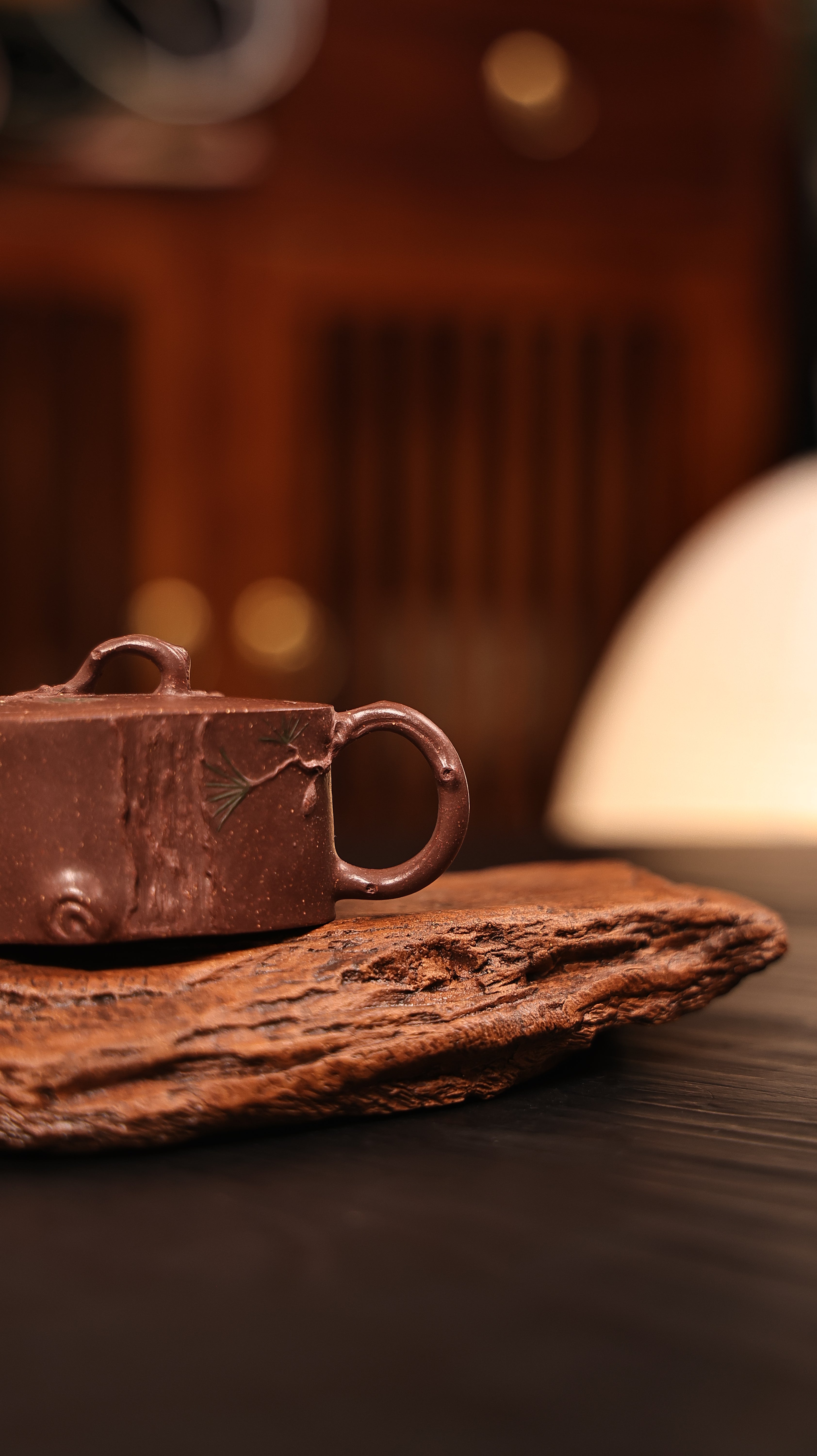
Across the expanse of historic epochs,
Amidst eras, heritage seekers have been captivated by the exceptional charm of Yixing Zisha urns. Originating from the zone of Yixing in the Chinese province, these objects are renowned for their preeminent beauty, extraordinary clay, and built-in ability to enhance the flavor of the brew. The earth's distinctive maroon hue, combined with the expert construction of indigenous sculptors, creates products that are concurrently functional masterpieces and coveted properties. Possessing a Zisha teapot is more than just specific purchase; it's welcoming a rich ethnic heritage.
Grasping Yixing Teapots: Narrative, Kinds, and Merit
The notable Yixing teapots stand as a deep past deeply intertwined with Chinese culture. Emerging in the Yixing region of Jiangsu province, these clay vessels boast a heritage extending back to the Ming Dynasty. Initial examples were functional, but over centuries, Yixing teapot building evolved into an esteemed art form. The clay itself, known for its unique vitality and ability to raise the flavor of the tea, exists a defining factor. Yixing teapots appear in various forms, broadly categorized by shape: Historic such as Zhuni (purple clay) and Purple Clay Teapot Bisheng, as well as refined designs. The merit of a Yixing teapot varies on several factors, including the potter’s fame, the age of the piece, the rarity of the clay, and its aesthetic elegance.- Account: Founding era
- Material: Different forms
- Estimation Aspects: Age
Art of Zisha Pottery: Craft and Individuals
This assembly of a legitimate Zisha teapot is a complex process, requiring lengthy durations of skill. Proficient artisans meticulously pick the finest Zisha clay, a distinctive earth found only in specific regions of China. Conventional techniques, often bequeathed through families, involve exact shaping, sensitive carving, and steady firing in ancient calcining chambers. The completed teapot isn't merely a jar; it's a testament to artistic vision and the weighty connection between the artisan and their background. Each work showcases the singular touch of the creator, resulting in a truly unparalleled work of pottery.
Traditional Pottery: Investigating the Vast Practices of the Yixing Locality
Historic Yixing, positioned in Jiangsu the region, is widely renowned for its exceptional earthenware – a tangible representation of centuries of Chinese art. These aren't merely vessels for processing tea; they are intricate works of artistry, often reflecting cultural ideals. Yixing's unique purple clay, known as Zisha, possesses extraordinary qualities: the compound dense, absorbent, and imparts a subtle tone to the tea.
- Diverse clans have honed the techniques of Yixing vessel making, passing down hereditary methods through eras.
- Fans prize these pieces for their attractiveness and infrequency.
- Some vessel tells a chronicle, connecting the enjoyer to a rich past.
Acquiring Yixing Zisha: What to Look For
As looking into acquiring Yixing Zisha vessels, several factors expect careful review. Firstly, the ingredient's hue is vital; authentic Zisha generally exhibits a pronounced carmine undertone. Besides, assess the artistry; distinct features and a flawless finish indicate experienced fabrication. Lastly, analyze the fabricator's standing; celebrated names earn greater rates and often offer a secure dividend.
Zisha Teapot Tea Brewing Mastery
Producing delicious tea with a Zisha teapot is more exceeding a simple ritual; it's an specialty. Zisha clay, noted for its unique geological composition, imparts a nuanced character to the brewed tea that’s often lacking with other materials. The fitting water climate is imperative; typically, less intense than what's used for black tea, to keep the tea's scent and taste. Consider carefully the tea form; delicate green teas or aged pu-erhs improve from the Zisha’s ability to ease their innate edge. It’s significant to warm the teapot earlier than brewing, and to exclude over-steeping. Mastering this skill leads to a authentically exceptional tea enjoyment.
- Recognizing Zisha Clay
- Temperature Control & Tea Sort
- Role of Pre-treatment
Protecting Your The Vessel
Intending to sustain the durability of your prized Yixing ceramic pot, routine upkeep is decisively indispensable. Do not using synthetic products; instead, carefully wash it with mildly heated fluid. Avoid sharp heat; refrain set the urn directly onto a searing surface. Periodically, enrich the clay pot by filtering it with excellent refined beverage, as this promotes to build its profile and defends the exclusive traits of the dirt.
Pertaining to Element to Mug: The Voyage of a Chinese Kettle
The creation of a Zisha teapot is a impressive method, a proof to both the earth's bounty and the craft of the artisan. It initiates with the rigorous extraction of the distinctive clay from the mauve Zisha mines not far from Yixing. This natural material, known for its magnificent qualities, is then deliberately filtered and prepared for the original forming. The jug's shape is carefully built using a concoction of ancient molding strategies, often incorporating intricate embellishments. Following ripening, the jug undergoes a critical first firing, preceded by a varnishing stage, which might involve a series of layers of pure Zisha coatings. Finally, a second, and sometimes third, firing at extreme temperatures finishes the product, revealing its finished beauty and exceptional characteristics - a genuine masterpiece, set to beautify a tea tradition.
{Yixing Teapots: A Exemplar of a Culture and Admiration
Renowned Yixing teapots, originating from the distinguished Yixing region of Jiangsu province, are far more than mere earthenware for brewing potions; they represent a substantial aspect of Chinese identity. Crafted from distinctive purple clay – zisha – these singular teapots are highly cherished for their ability to enrich the flavor of the tea and, crucially, for their grace. The chronicle of Yixing teapot making spans centuries, and the technique involved is entrusted through generations, making each teapot a cultural artifact that embodies lasting techniques and a profound appreciation for the pure pleasures in life.