Initiating
The rising complication involving state-of-the-art engines calls for a comprehensive detailed perception of diagnostic platforms, exclusively with respect to On-Board Diagnostics II (OBD2) and Tire Pressure Monitoring Units (TPMS). Within Europe, Asia, and the US, these functionalities run using discrete frequencies. OBD2 standards are largely standardized globally, essentially utilizing ISO 9141-50, KWP2000, CAN, and others, but regional implementations can introduce minor modifications. TPMS, however, is where major frequency differences manifest. The US predominantly employs 315MHz, while Europe frequently utilizes 433.92MHz, and Asia manifests a more fragmented range including both frequencies and complementary bands. Consequently, reliable diagnostic equipment must be furnished with the competence to understand these countless frequencies to enable effective fixing and maintenance.
Analyzing TPMS Sensor Frequencies: A Global Guide (Europe, North America, Asia)
Fathoming rubber monitoring device (TPMS) module waves through the domain proves to be hard. Generally, North America mostly utilize 315 MHz, while some modern vehicles have 433 MHz. On the other hand, Europe and most of Asia mainly perform on the 433 MHz waveband, with some provincial variations manifesting expressly in distinct Asian lands. Thus, essential to authenticate the right signal ahead of acquiring TPMS transmitters to guarantee compatibility and avoid prospective snags.
Battery Car Readers: OBD2 Compatibility and TPMS Integration
Latest battery-powered car scanners are increasingly absorbing fundamental functionality, notably related to both common On-Board Diagnostics II (OBD2) compatibility and Tire Pressure Monitoring System (TPMS) connection. Various battery-powered vehicles utilize OBD2 ports for accessing primary system statistics, permitting technicians and owners to spot prospective issues. Furthermore, flawless TPMS combination provides precise tire volume indications, assisting to boosted welfare and power saving. This mixture of OBD2 connectivity and TPMS deployment demonstrates a significant breakthrough in battery motorcar analysis.
Tire Monitoring Frequency Changes: Europe vs. American Continent vs. Asia-Pacific - A Exhaustive Study
Numerous mechanisms responsible for controlling tire load—TPMS—operate on particular radio spectrum, leading to important regional distinctions. US Region predominantly utilizes 315 MHz, though some updated vehicles are migrating to 433 MHz. The Continent mandates 433.92 MHz, a distinct frequency to validate conformity across jurisdictions. Asia-Pacific exhibits a heterogeneous landscape, with particular areas using 315 MHz, others 433 MHz, and still other territories employing a blend of both. This distinction brings challenges for garages and automobile holders when dealing with replacement TPMS units or diagnostic apparatus, compelling careful verification of regional regulations to sidestep errors and ensure proper performance of the TPMS.
Vehicle Scanners for EV Autos: Tire Info Diagnostics & Frequency Understanding
Current ride scanners are quickly broadening to serve battery-operated vehicles, especially relating to tire surveillance review. Unlike internal combustion engine cars, battery cars present individual obstacles when it comes to pressure sensor system examination. Many EVs use different tire info systems signals requiring the device to correctly identify the signal in use. This capability enables mechanics to simply read tire info but also pinpoint the exact radio signal being sent by the pressure system detectors, facilitating in reliable troubleshooting of faults.
The US Tire Pressure Monitoring Systems Signals: Which Wish to Comprehend?
Handling the world of wheel TPMS can be a obstacle, primarily due to the varying signals utilized across European Region, Asia, and the United States. European Union’s vehicles predominantly use 433.92 MHz, while diverse Asian countries employ 315 MHz and 433.92 MHz, creating a complicated situation for professionals. In the US, both 315 MHz and 433.92 MHz are ordinary, with 315 MHz being more commonplace. As a result, understanding these regional inconsistencies is required for accurately addressing TPMS shortcomings and selecting the proper programming tools.
Evolving each Core Principles: Transport Diagnostics, Electrified Vehicles, combined with Pressure Detection Sensor Transmission Recognition
Pertaining to seasoned ride engineers, plainly comprehending the foundations of automobile systems, battery-powered ride technology, alongside tire sensor systems gadget frequency classification amounts to one significant subsequent degree. The former subjects penetrate inside routine strategies, requiring specific gadgets in conjunction with understanding so as to rightly diagnose plus remedy advanced problems regarding car wheel management, power framework capability, combined with engine trouble indicators. In addition, effectively identifying pressure sensor instrument wavelengths – generally range amid separate makes or trim levels – often indispensable to accurate alignment.
Electric Car Evaluation: Using OBD2 Scanners to Troubleshoot TPMS
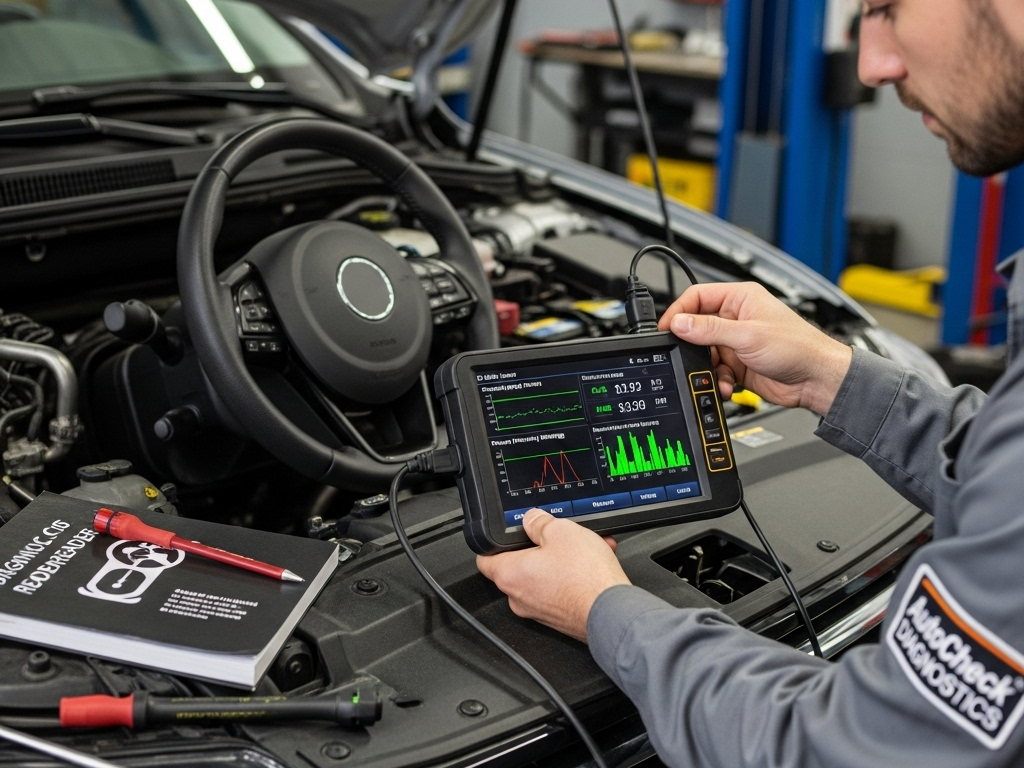
Resolving Tire Pressure Monitoring Systems TPMS in electric vehicles electric cars often necessitates more than simply visual inspection. Modern OBD2 diagnostic tools offer the ability to access TPMS data and identify potential issues. Utilizing these systems, technicians can read fault codes, examine sensor condition, and even perform sensor assessments, allowing for effective diagnosis of sensor failures and minimizing maintenance delays. It is is especially crucial given the growing complexity of EV electronics.
Navigating Tire Monitoring Broadcasts: A Hands-on Explanation for the Continent, Asia, and The Americas
Skillfully managing pressure gauges throughout Europe, Asian Continent, and North American Zone necessitates a thorough mastery of the changing wireless spectrums they employ. In contrast with a consistent system, every area ordinarily abides by specific bandwidths. Such as Continental Europe primarily counts on 315 MHz band OBD2 and 433.92 Megahertz, while US and Canada generally applies three hundred fifteen MHz although certain latest vehicles may hold 433.92 MHz frequency. Asian Continent provides a richer complexity landscape, with a range of bandwidths operated, depending on the state and transport maker.
- Check territory restrictions regarding wireless signal.
- Examine your vehicle's owner's manual for designated spectrum.
- Implement a signal reader fit to evaluating various waves.